

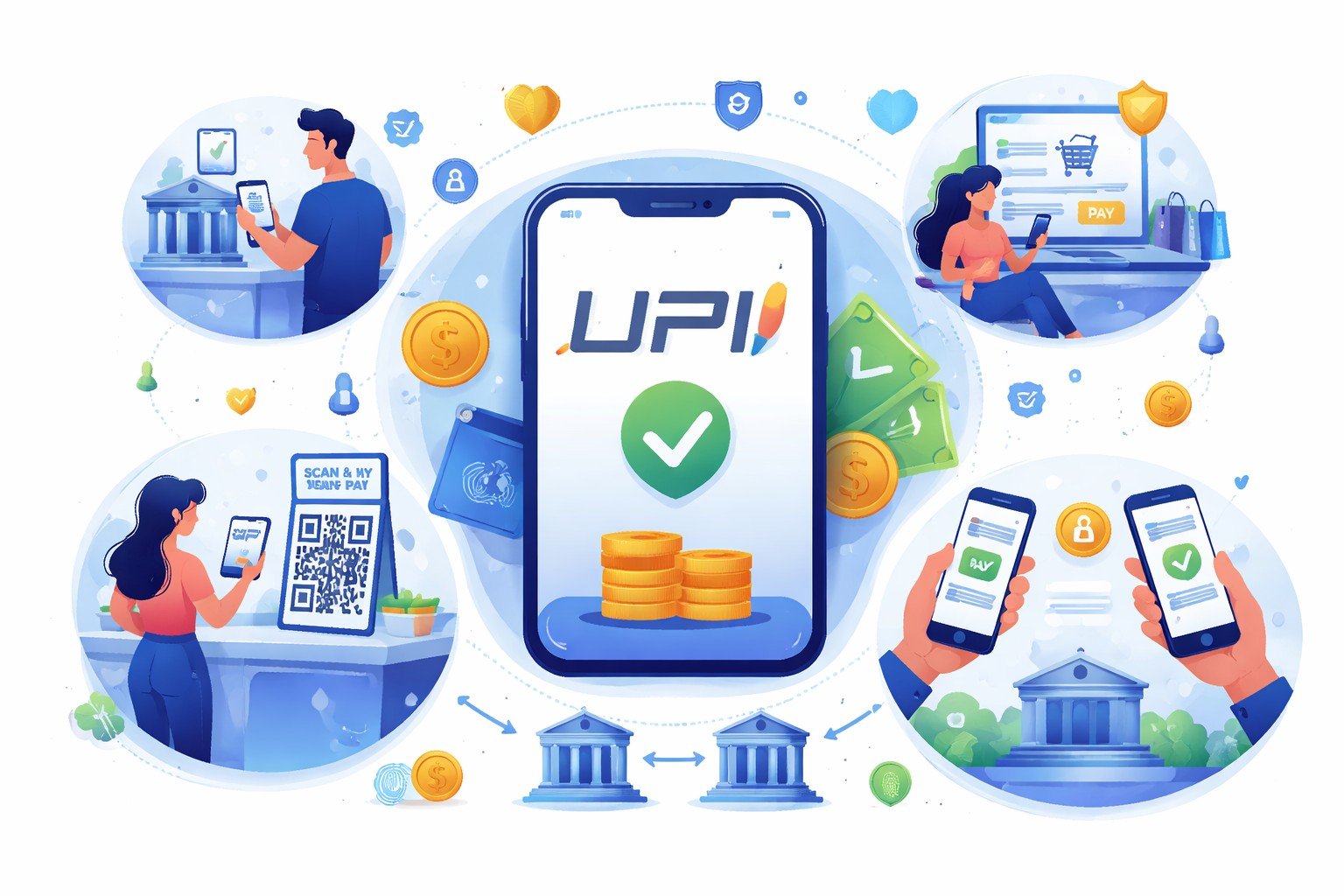
Introduction to the UPI Payment System
The UPI Payment System has transformed how people send and receive money in the digital age. It allows instant, cashless transfers directly between bank accounts using a mobile phone, eliminating the need for cash, cards, or lengthy bank procedures. Built for speed, simplicity, and security, UPI has become a backbone of everyday digital transactions, especially in emerging digital economies.
UPI enables users to transfer money 24/7, pay utility bills, shop online or offline, and even automate recurring payments—all within seconds. With minimal steps and strong security layers, the UPI payment system stands as a benchmark for modern digital finance.
This guide explains the UPI payment system in a clear, broad, and practical way, covering how it works, its features, benefits, security architecture, real-world use cases, and future evolution.
What Is the UPI Payment System?
The UPI Payment System is a real-time digital payment infrastructure that connects multiple banks into a single mobile-based platform. Instead of sharing bank account numbers or IFSC codes, users create a Virtual Payment Address (VPA), such as name@bank, which acts as a digital identity for transactions.
UPI works as a bridge between banks, merchants, and users, enabling seamless fund transfers through smartphones. The system supports peer-to-peer (P2P) and peer-to-merchant (P2M) payments, making it versatile for personal and commercial use.
Why the UPI Payment System Was Created
Before UPI, digital money transfers were often slow, required complex details, or depended on cards and wallets. The UPI payment system was designed to solve key problems:
- Reduce dependency on cash
- Simplify bank-to-bank transfers
- Enable instant settlements
- Improve financial inclusion
- Provide a single interoperable payment platform
By addressing these challenges, UPI created a unified digital payment experience that works across banks and apps.
How the UPI Payment System Works (Step-by-Step)
Understanding how the UPI payment system works helps users trust and use it confidently.
Step 1: Bank Account Linking
Users link their bank account to a UPI-enabled app using their registered mobile number.
Step 2: Create a Virtual Payment Address (VPA)
A VPA replaces sensitive bank details and acts as the payment identifier.
Step 3: Set a UPI PIN
The UPI PIN authorizes every transaction and ensures account-level security.
Step 4: Initiate a Payment
Payments can be initiated using:
- VPA
- QR code
- Mobile number
- Bank account details
Step 5: Real-Time Processing
The UPI system verifies the request, authenticates the PIN, and transfers money instantly between banks.
Step 6: Confirmation
Both sender and receiver receive instant transaction confirmation.
This entire process usually takes less than a few seconds, making UPI one of the fastest digital payment systems available.
Key Features of the UPI Payment System
- Real-Time Transactions
UPI processes payments instantly, even on weekends and holidays.
- Interoperability
Users can send money across different banks and apps seamlessly.
- Cashless Convenience
No physical money, cards, or terminals are required.
- Single-Click Payments
QR code scanning and saved beneficiaries simplify transactions.
- 24/7 Availability
UPI works round-the-clock without downtime.
- Low or Zero Transaction Cost
Most UPI transfers are free or cost significantly less than traditional methods.
Security Architecture of the UPI Payment System
Security is a core strength of the UPI payment system. Multiple layers work together to protect users.
Two-Factor Authentication
Each transaction requires:
- Device authentication (registered mobile)
- UPI PIN verification
Encrypted Data Transmission
All transaction data is encrypted end-to-end to prevent interception.
Device Binding
UPI accounts are linked to a specific mobile device and SIM.
No Sharing of Sensitive Data
Users never need to share bank account numbers or card details.
Real-Time Alerts
Instant notifications allow users to detect unauthorized activity immediately.
These features make UPI one of the most secure digital payment systems in use today.
Types of Transactions Supported by UPI
The UPI payment system supports a wide range of transaction types:
- Person-to-Person (P2P) transfers
- Merchant payments (online and offline)
- Utility bill payments
- Mobile recharges
- Subscription payments
- Donations and fund transfers
- E-commerce and in-app purchases
This flexibility allows UPI to serve both daily personal needs and business operations.
UPI QR Codes Explained
QR codes are a major component of the UPI ecosystem. They allow users to make payments without entering any details.
How QR Payments Work
- Merchant displays a UPI QR code
- User scans the code using a UPI app
- Enters amount and UPI PIN
- Payment completes instantly
Benefits of QR Payments
- Faster checkout
- Reduced human error
- No need for POS machines
- Ideal for small and large businesses
Benefits of the UPI Payment System
For Individuals
- Instant money transfers
- No need to carry cash
- Easy bill payments
- Simple mobile-based access
For Businesses
- Faster settlements
- Lower transaction costs
- Easy accounting and tracking
- Improved customer experience
For the Economy
- Reduced cash handling costs
- Improved financial transparency
- Increased digital adoption
- Enhanced financial inclusion
UPI vs Traditional Payment Methods
UPI vs Cash
- UPI is traceable and secure
- Cash carries theft and loss risks
UPI vs Cards
- No card skimming risk
- No card expiry issues
- Faster authentication
UPI vs Bank Transfers
- No IFSC or account details needed
- Real-time settlement instead of delays
UPI combines the strengths of multiple payment methods while eliminating their limitations.
Role of UPI in Financial Inclusion
One of the biggest achievements of the UPI payment system is financial inclusion. People without credit cards or advanced banking tools can still participate in digital finance using only a smartphone and bank account.
Small vendors, rural users, freelancers, and gig workers benefit greatly from UPI due to its simplicity and accessibility.
Common Use Cases of the UPI Payment System
- Paying at grocery stores
- Sending money to family
- Online shopping
- Transport payments
- Subscription services
- School and utility fees
UPI adapts seamlessly to everyday financial needs.
Challenges and Limitations of UPI
Despite its strengths, the UPI payment system faces certain challenges:
- Internet dependency
- Occasional transaction failures
- User awareness gaps
- Device compatibility issues
Continuous upgrades and education are helping reduce these limitations over time.
Future of the UPI Payment System
The future of the UPI payment system looks promising and innovative. Expected developments include:
- Cross-border UPI payments
- Integration with global payment networks
- Enhanced AI-based fraud detection
- Voice-based UPI transactions
- Wider merchant and international acceptance
As digital economies grow, UPI is positioned to become a global model for real-time payments.
Best Practices for Safe UPI Usage
- Never share your UPI PIN
- Use official and updated apps
- Avoid public Wi-Fi for transactions
- Enable app locks and notifications
- Verify payment requests before approving
Following these practices ensures a secure and smooth UPI experience.
Conclusion
The UPI Payment System represents a major leap forward in digital finance. By combining speed, security, and simplicity, it has redefined how money moves in a cashless economy. Whether for personal transfers, merchant payments, or large-scale digital transactions, UPI delivers a reliable and user-friendly solution.
As technology evolves and adoption expands, the UPI payment system will continue to shape the future of fast, secure, and cashless digital transfers—making everyday payments smarter, safer, and more accessible for everyone.
