

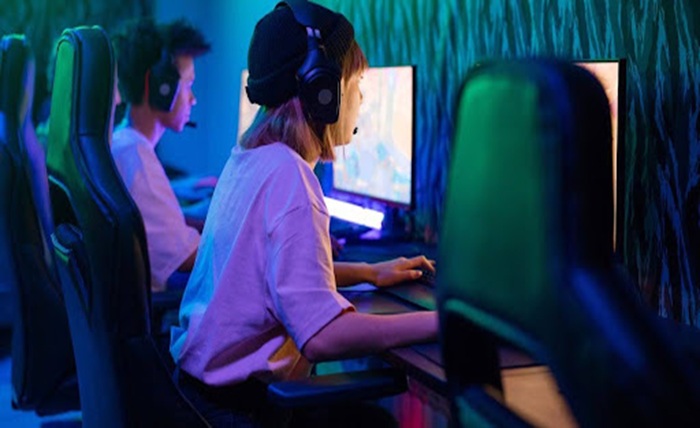
Why has online gaming become such a meaningful part of daily life for so many people? The answer goes far beyond fast internet and better graphics, because its growth also reflects how people connect, communicate, and build shared habits across distance.
Online games now function as social spaces, creative stages, and cultural meeting points. People do not just play for points or competition. They show humor, learn group norms, test identity, and take part in communities that can feel as familiar as any local club or neighborhood hangout.
The cultural value behind this growth matters because it explains why online gaming has stayed relevant across age groups and regions. Its appeal is tied to belonging, expression, and shared experience, which are all deeply human needs that technology happens to support very well.
Online Gaming As A Social Space
One reason online gaming keeps growing is that it gives people a place to spend time together in active, shared settings.
Shared Activity Builds Stronger Bonds
People often connect more easily when they are doing something together instead of just talking. Online games create that kind of setting by giving friends and strangers a task, a goal, or a challenge they can face side by side. That shared activity builds trust faster than small talk because players depend on timing, attention, and cooperation in real time.
This is part of why online gaming often becomes a regular social habit. Players return not only for the game itself but for the people they meet there. A scheduled match, a weekly session, or even a casual check-in can create a routine that helps friendships stay active across cities, time zones, and different daily schedules.
Digital Spaces Can Feel Socially Real
Some people still treat online interaction as less meaningful than face-to-face contact, but online gaming challenges that assumption. The laughter, teamwork, conflict, and mutual support that happen during play are real social experiences. A voice chat during a close match can carry the same emotional weight as a conversation on a couch because the feeling of being present with others does not depend on physical location alone.
That helps explain why communities form so easily around play. People recognize familiar voices, inside jokes, and shared history. In many cases, players follow forums or community hubs such as SEMPROT99 to stay connected to the culture around the games they care about, which strengthens the social layer even more.
Play And Identity In Digital Culture
Online gaming also grows because it gives people room to express parts of themselves that everyday settings may not always make visible.
Avatars And Roles Support Self-Expression
Games let players choose names, appearances, roles, and styles of play. Those choices are cultural acts as much as personal ones. A player may present themselves as funny, careful, bold, loyal, or highly strategic, and others come to recognize that style over time. This makes play a form of identity performance, where people shape how they are seen through action rather than through biography.
That kind of expression matters because identity is often social. People learn who they are partly through response from others. Online games provide quick feedback through teamwork, reputation, and repeated interaction, which can make self-presentation feel immediate and meaningful.
Communities Create Their Own Norms
Every active game community develops its own language, etiquette, and expectations. Players pick up phrases, humor, rituals, and unspoken rules through participation. That process turns gaming into a cultural environment rather than a simple product, because players are not just consuming content. They are learning how to belong within a group.
This also gives online gaming a strong intergenerational quality. Younger players may join for fun, but they also absorb community codes, cooperation habits, and digital manners. Older players may bring patience, planning, and mentoring. The result is a space where culture is passed around through practice instead of formal instruction.
Global Access And Cultural Exchange
Another part of online gaming’s rise comes from its ability to connect people from different places through a common activity.
Games Create Contact Across Borders
Players often meet people they would never encounter in daily life. They hear different accents, see different communication styles, and learn how people from other regions approach teamwork or competition. Even short interactions can reduce distance by turning abstract places into real human voices with habits, humor, and personality.
This kind of contact has cultural value because it normalizes difference without making it the whole point. Players are focused on the match, the mission, or the puzzle, yet they still absorb bits of each other’s background. That creates a casual form of cultural exchange that feels natural instead of formal.
Shared Rules Make Cross-Cultural Interaction Easier
Games help people connect across language barriers because rules and objectives provide structure. A clear goal can support cooperation even when players do not share the same first language. Markers, movement, and repeated patterns of play become a common system that helps people coordinate.
This is one reason online gaming can be so inclusive. It offers a way to interact that does not rely only on polished speech or deep cultural familiarity. Community spaces like SEMPROT99 LINK can also reflect that wider mix of participants, where people gather around shared interest rather than shared geography.
Participation Rather Than Passive Viewing
Online gaming keeps its cultural pull because it asks people to take part rather than just watch.
Players Help Create The Experience
Unlike many forms of entertainment, games change based on what people do inside them. A match becomes memorable because of player choices, mistakes, teamwork, and surprise moments. That means culture around gaming is built through participation. Stories are not only written by developers or producers. They are also created by players during play.
This active role gives online gaming a stronger sense of ownership. People remember the comeback they helped make happen, the friend they supported, or the strategy they invented with a group. Those memories become shared stories, and shared stories are one of the main ways culture grows.
Communities Value Skill, Humor, And Contribution
Gaming culture often rewards more than technical skill. Players also gain respect for being reliable teammates, funny communicators, calm organizers, or generous teachers. That range of valued roles helps communities feel more layered and human. It makes space for different forms of contribution, which supports wider participation.
As a result, people can feel useful even if they are not top performers. A person who explains rules clearly, keeps group morale steady, or welcomes new players is adding cultural value to the space. That kind of contribution helps communities last because it supports a healthy social structure.
Ritual, Routine, And Modern Belonging
The growth of online gaming also reflects how people build routine and belonging in a more digitally connected society.
Regular Play Becomes A Modern Ritual
Many people use online gaming to mark time in a familiar, comforting way. An evening session with friends, a weekend tournament, or a quick daily match can become a ritual that adds structure to life. Ritual matters culturally because it creates continuity. It gives people something shared to expect and return to.
These routines can be especially meaningful for people whose schedules, locations, or social circles change often. Online gaming gives them a stable social point that can move with them. The game may update over time, but the habit of meeting others there remains recognizable and steady.
Belonging Is A Major Reason For Growth
Cultural growth happens when people feel that a space reflects them and welcomes their participation. Online gaming does that by offering repeated contact, shared language, group memory, and collective goals. Those features turn a technical platform into a lived culture.
That sense of belonging helps explain the scale of online gaming’s appeal. People are not only looking for entertainment. They are also looking for places where they can matter to others, read familiar signals, and feel part of something active and shared. Online gaming has grown because it offers that cultural function in a form that fits modern life very well.
